

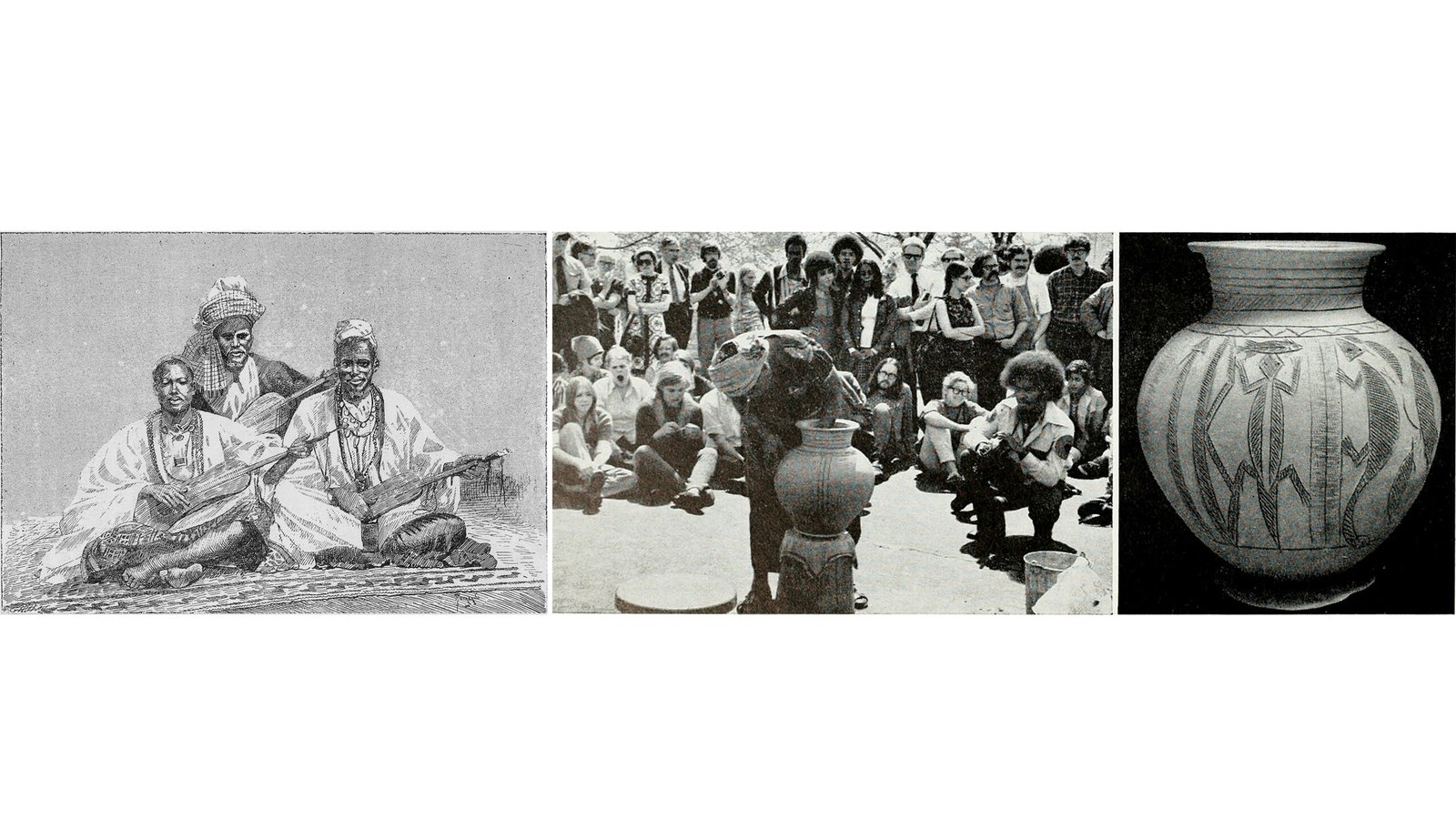
I was the last student to center. I tried. And failed. Tried. And failed. Over and over. If the wheel went too fast and there was too much water – the hardest molecules to control – it would splatter everywhere. If the clay was too dry, hot friction burned my hands raw. Mastery of groggy clay for centering was important before experimenting with porcelain that dances between the hands. All in all, many parts of wheel throwing are a ritual.
During my experiences, I thought about a church song’s chorus: “You are the potter and I am the clay, make me and mold me, this is what I pray.” My theology has always been about wrestling with the text and interpretation. My background in wheel throwing, in particular, sheds new light on this Biblical metaphor. The song comes from Isaiah 64:8 which says, “We are the clay, you are the potter; we are all the work of your hand.” Before becoming a potter, I saw God as sovereign, which, in turn, meant humanity were pawns predetermined to do what the Creator wants.
The ritual of wheel throwing reveals a deeper truth: it is a YES-AND scenario rather than an EITHER-OR. The Creator is sovereign, in that they can shape destiny, but humanity, the clay, has autonomy. When the vessel cracks, breaks, shrinks in firing, the glaze has an uneven hue, or a slew of other outcomes, it shows that the clay and atmospheric conditions are equally important. If anything, the potter has to coax these factors to get their desired product. There are many ways that potters recognize the inherent divinity of working with clay. After all, as Ayumi Horie says, “We were all born in clay.” And if we return to it, is it the afterlife? It embodies the cycle of life. Clay, in fact, is immortal and can be reactivated without firing.
Ghanaian potters, according to Winnie Owens-Hart, walk around the wheel as they are sculpting it like many circumambulatory spiritual practices. Or even in the West, we bow down, in reverence, to touch the clay. It questions, are we centering it, or is it centering us? Wheel throwing is akin to "the right hand (left brain) playing all the bass notes on the piano and the right brain is (the left hand) the syncopation,” Jack Troy says. There is the idea of the vessel as an instrument to be practiced, learned, and mastered.
