

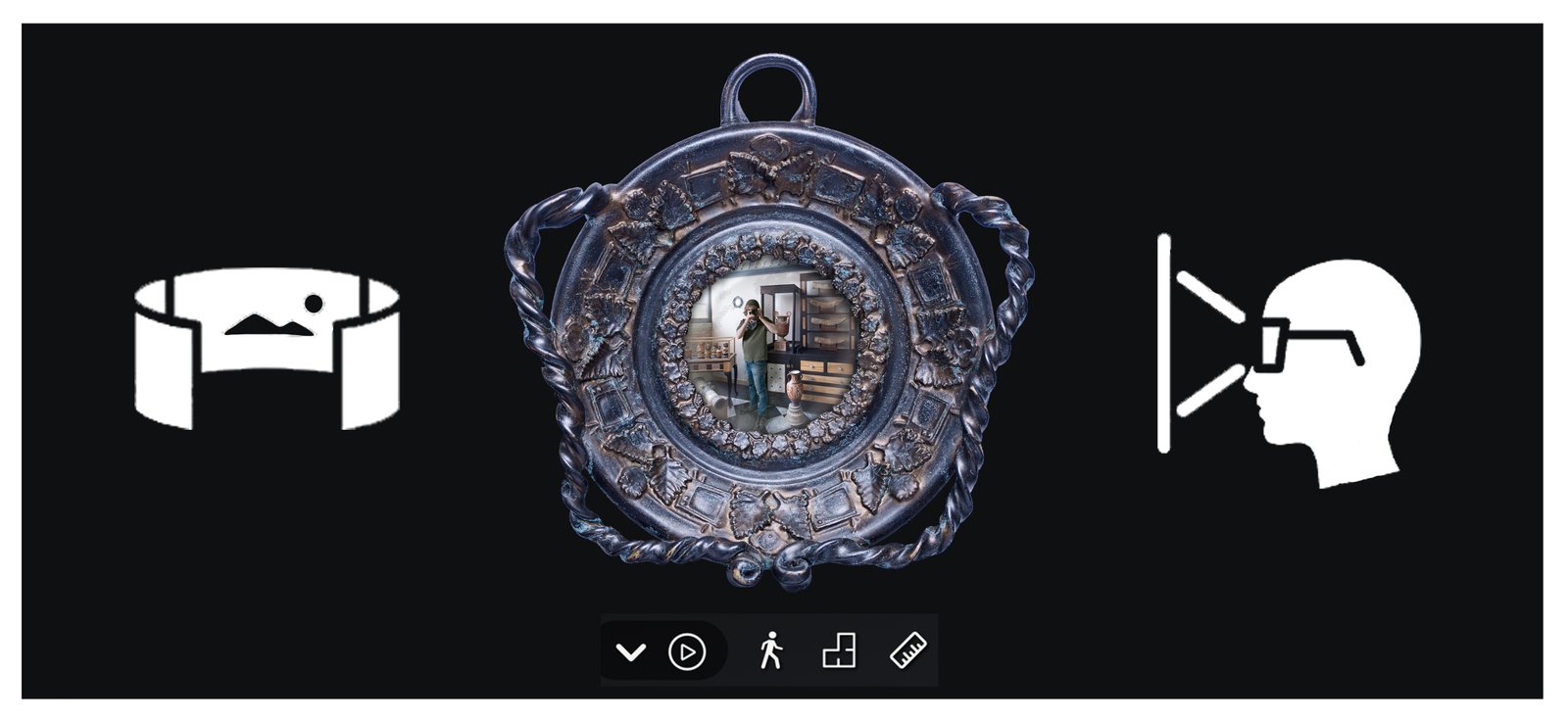
“To men, the reality of the world is guaranteed by the presence of others, by its appearing to all, 'for what appears to all, this we call Being' [Aristotle] and whatever lacks this appearance comes and passes away like a dream, intimately and exclusively our own but without reality.” - Hannah Arendt
If your past eighteen months have been anything like mine – our covid years – you may have felt at times like you were living in a dream, disassociating yourself from the reality of the world. When psychologists talk about disassociation, they distinguish between derealization, the feeling that the world around you is a dream, and depersonalization, the feeling that you yourself are a dream figure and somewhat apart from reality. Both are natural responses to experiencing trauma, of which we've all had plenty, and studies have documented a rise in disassociation among front line healthcare workers as well as the rest of us who have endured extreme isolation during the covid lockdowns.
Dissociation has also been linked to excessive video screen time, so as our lives shifted to Zoom meetings and online cocktail parties, excessive doomscrolling or Netflix binge watching, our sense of disconnection from material reality gets constantly reinforced. Our presence in the world during the covid years is mediated through the portals of our electronic devices.
For me, dissociation has taken the form of depersonalization, perhaps connected to a year in which the physical presence of not only myself but also my artwork has been restricted to online appearances. I have become not so much a dream figure as a virtual one; my Being, as well as my voice, have become flat, pixelated, and lacking in presence.
